
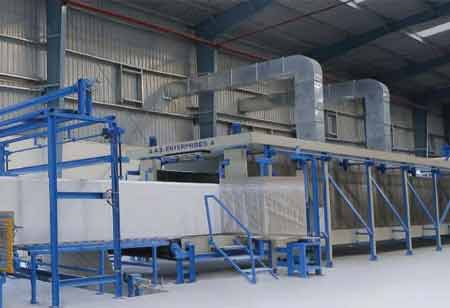
Industrial manufacturing environments are experiencing a recalibration as supply chains, customer expectations, and production strategies evolve in parallel. Within this shifting landscape, vertically integrated structural foam and injection molding manufacturers are redefining how value is delivered across the production lifecycle. Integration is no longer viewed as a structural advantage alone but as a strategic response to increasing demands for consistency, responsiveness, and control.
Weekly Brief
Be first to read the latest tech news, Industry Leader's Insights, and CIO interviews of medium and large enterprises exclusively from The Manufacturing Outlook
Vertical Integration Reshapes Structural Foam Manufacturing Industry Landscape
Smart Manufacturing and Outsourcing: Building a Digital Future Together
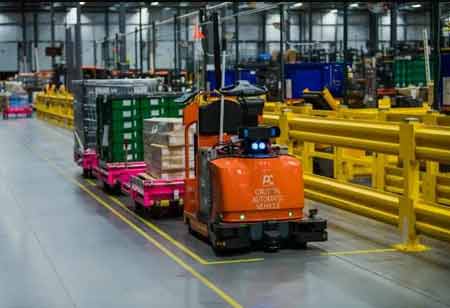
Smart manufacturing has moved from concept to operational necessity as production environments become more connected, intelligent, and responsive. Advances in automation, data analytics and interconnected systems are enabling manufacturers to build highly adaptive operations that can respond to shifting demands in real time.
Machines are no longer isolated assets but part of an integrated digital network that continuously generates and processes data. This evolution enables manufacturers to monitor performance, predict maintenance needs, and optimize production flows with a level of precision previously unattainable. As a result, manufacturing is transforming into a dynamic system that learns and improves continuously rather than relying on static processes.
Scaling Precision with Industrial Large-Scale Manufacturing
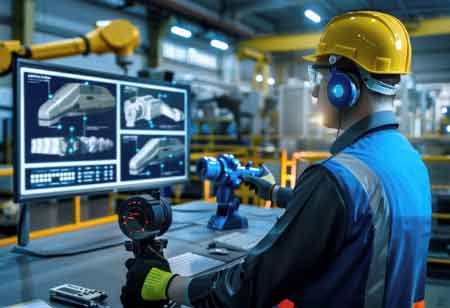
Industrial manufacturers now face pressure beyond meeting production targets. Procurement leaders and program managers must secure partners who can manage compressed timelines, evolving design requirements and increasing complexity across aerospace, transportation and heavy industrial sectors. Delays from tooling shortages, fragmented engineering support or limited scalability increasingly disrupt delivery schedules and capital planning.
Smart Solutions: The Integration of Autonomous Mobility in the Industrial Landscape
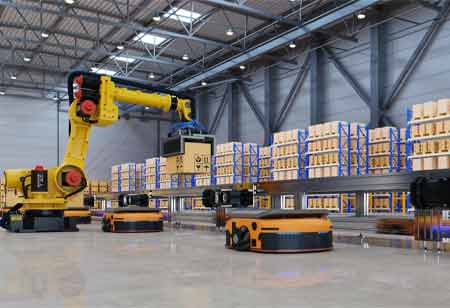
The autonomous mobile robotics sector is settling into a period of commercial realism. Early experimentation has given way to disciplined deployment, where performance, reliability and operational fit determine success. Across logistics hubs, manufacturing floors and distribution centers, robots are now evaluated as long-term infrastructure rather than novelty investments. This shift reflects broader industrial priorities shaped by labor volatility, rising service expectations and the need for facilities to adapt without structural overhaul. The conversation has moved from capability to continuity, and the market is responding with solutions designed for endurance.
The Precision Standard in Rubber Roller Manufacturing
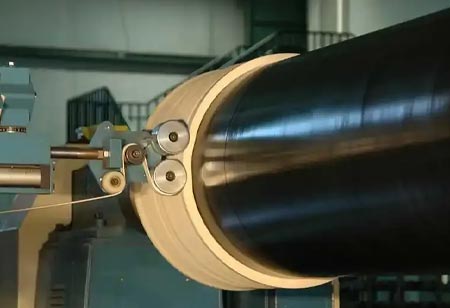
Production efficiency in modern manufacturing often depends on components that receive little executive attention until failure disrupts throughput, quality control or maintenance schedules. Rubber rollers sit at the center of that challenge. Packaging converters, printing facilities, automation integrators and building materials manufacturers increasingly require rollers that can maintain dimensional accuracy under demanding process conditions while supporting tighter production tolerances and faster cycle times. Procurement decisions in this segment have shifted away from simple price comparisons toward long-term process reliability, application fit and supplier responsiveness.
The Growing Impact of Advanced Hydraulic Repair Solutions on Industrial Equipment Reliability
Industrial sectors that rely on heavy machinery increasingly depend on hydraulic systems to deliver precision power and consistent performance. Hydraulic pumps, valves, cylinders, and actuators form the backbone of equipment used in manufacturing, construction, energy production, agriculture, and logistics. When these systems fail, operations slow or halt entirely. For decades, maintenance strategies focused on reactive repairs or scheduled servicing. Advanced hydraulic repair solutions will redefine this approach and transform equipment reliability through digital diagnostics, intelligent monitoring, and engineering innovation.
The Rising Standard for Conveyor Belt Systems in Bulk Material Handling
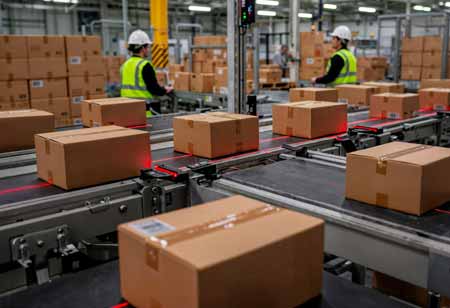
Material handling teams across industrial manufacturing are under pressure to move larger volumes through tighter footprints while keeping downtime under control. Traditional flat belts and low-angle conveyor systems are becoming harder to justify in facilities where throughput expectations continue to rise and production schedules leave little room for maintenance delays. Buyers evaluating conveyor belt systems are no longer comparing equipment on purchase price alone. Long-term reliability, adaptability to difficult materials and the ability to support demanding site conditions now shape procurement decisions.
Navigating Noise Filtering Solutions in Industry 4.0
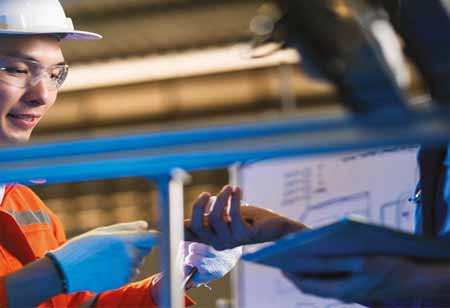
The modern manufacturing landscape is characterized by increasingly sophisticated automation, intricate machinery, and interconnected systems. While these advancements drive efficiency and productivity, they also introduce a significant and often overlooked factor: noise. The cacophony generated by industrial processes, ranging from the high-pitched whine of robotics to the deep rumble of heavy machinery, presents a multifaceted challenge that demands comprehensive noise filtering solutions.
Speed, Calibration and Readiness in Test Equipment Rentals

Engineering organizations operating across aerospace, defense, energy infrastructure and telecommunications face a narrowing window between design iteration and formal validation. Certification frameworks continue to expand across electromagnetic compatibility, power integrity and safety compliance domains while product cycles compress under competitive and programmatic deadlines. Test and measurement planning now sits closer to the center of execution strategy rather than functioning as a downstream procurement activity.
Advancing Sustainable Cooling through Refrigerant Lifecycle Management Solutions
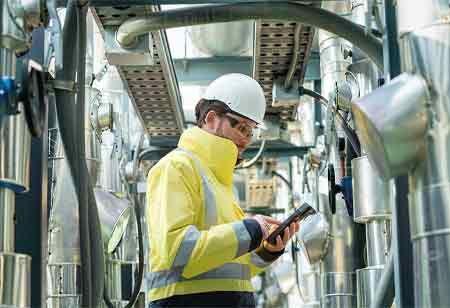
Refrigerants are essential components in heating, ventilation, air conditioning, and refrigeration (HVACR) systems used across commercial, industrial, and residential environments. Many traditional refrigerants have contributed to ozone depletion and climate change due to their high global warming potential (GWP) and inadequate disposal practices. In response to growing environmental concerns, governments, industries, and international organizations are implementing stricter regulations to ensure responsible refrigerant management.
Rethinking Surface Treatment Control in CNC Shot Peening Systems
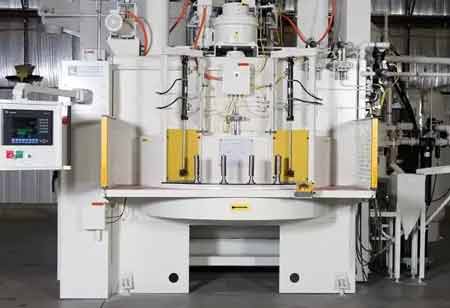
Procurement decisions around CNC shot peening systems are increasingly shaped by constraints tied to production visibility, process ownership and variability in outsourced finishing. In industrial machinery manufacturing, executives overseeing aerospace, energy and precision component production are under pressure to stabilize surface treatment outcomes while reducing dependence on external vendors that often operate with limited transparency. The resulting friction stems less from technical capacity and more from the inability to standardize process parameters across distributed supply chains, where peening intensity, media behavior and cycle consistency remain difficult to observe.
Market Dynamics and Innovations in the Woven Wire Mesh Partition Sector
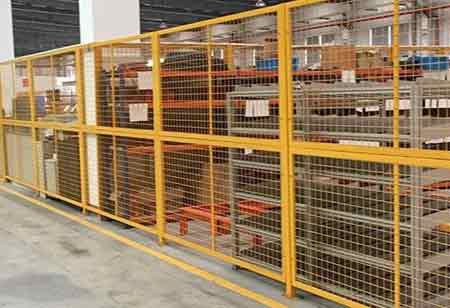
Woven wire mesh partitions are essential elements in various industries, including manufacturing, warehousing, and retail. These partitions are designed to provide security while allowing visibility, making them ideal for applications such as storage areas, equipment enclosures, and retail displays. The versatility of woven wire mesh allows for customization to meet the specific needs of different environments. As the demand for efficient space management and increased security grows, the adoption of woven wire mesh partitions is becoming increasingly important in modern infrastructure.
Advancing Sustainable Cleaning and Cooling With Dry Ice Technology
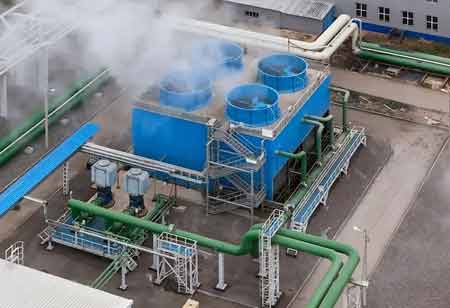
Industrial manufacturers face mounting pressure to eliminate hazardous chemicals, reduce secondary waste and maintain uninterrupted production schedules. Traditional cleaning and surface preparation methods often rely on solvents, water, sand or chemical stripping agents that generate residue, require containment and expose employees to health risks. In transport cooling, ice and gel-based systems add weight, leave moisture and complicate sanitation. Executives responsible for sourcing dry ice solutions must look beyond basic performance claims and evaluate how a provider’s technology alters cost structures, safety exposure and process control across facilities.
Modernizing Canada's Industrial Landscape: The Shift to Condition-Based Maintenance
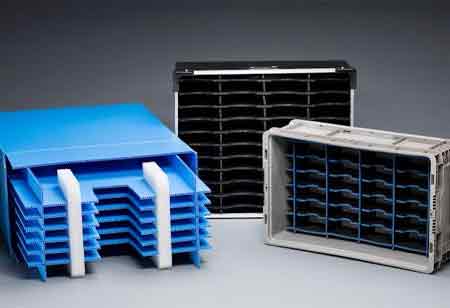
Industrial facilities in Canada are under growing pressure to operate with higher reliability, lower costs, and greater resilience. Aging infrastructure, tighter production schedules, and rising energy and compliance demands have exposed the limitations of traditional maintenance approaches. Reactive maintenance leads to unexpected breakdowns and costly downtime, while time-based preventive maintenance often results in unnecessary servicing and wasted resources. In this environment, condition-based maintenance is emerging as the preferred approach because it aligns maintenance actions directly with equipment health rather than relying on assumptions or rigid schedules.
Selecting a Fully Integrated Structural Foam and Injection Molding Partner
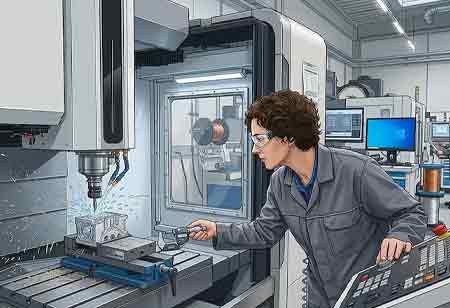
Manufacturing leaders evaluating structural foam and injection molding partners face a recurring set of constraints that extend beyond part production. Fragmented workflows, inconsistent quality adherence and limited visibility across production stages often introduce delays, rework and cost volatility. Many organizations still rely on separate vendors for molding, finishing and logistics, creating coordination gaps that surface only after production begins. In sectors such as automotive, medical devices, aviation and industrial equipment, where regulatory expectations and product performance thresholds are tightly defined, these gaps can compound quickly into operational risk.
Building a Circular Economy: The Impact of Reusable Plastic Container Design and Technology
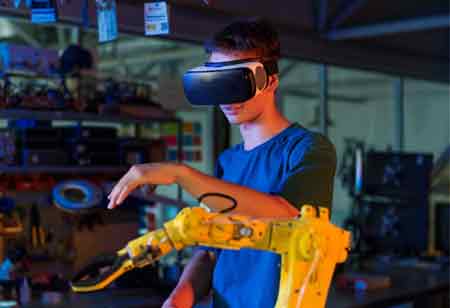
Circular manufacturing has moved from a sustainability ambition to an operational necessity. As material costs rise, regulatory expectations tighten, and supply chains seek long-term resilience, manufacturers are under pressure to reduce waste while maintaining efficiency. Within this landscape, reusable plastic container manufacturers are emerging as critical enablers of circular production systems. By prioritizing reuse over disposal and embedding circular thinking into product design and logistics, these manufacturers are reshaping how materials flow through modern industries.
Building Certainty in an Uncertain Manufacturing World
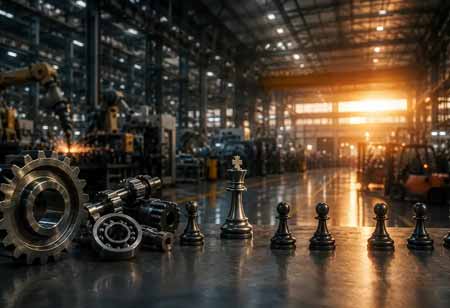
Global contract manufacturing has entered a period defined less by cost arbitrage and more by continuity, verification, and control. Trade tensions, tariff shifts, pandemic-era shutdowns and reduced on-ground oversight in Asia have exposed a structural vulnerability for brands dependent on overseas production. Many organizations that once relied on transactional sourcing models have found that distance, information gaps, and supplier opacity can quickly lead to missed timelines, compromised specifications and rising costs. The challenge is no longer simply finding a factory; it is maintaining a stable, transparent manufacturing ecosystem that can absorb disruption without derailing product lifecycles.
Optimizing Industrial Cooling through Advanced Dry Ice Innovations
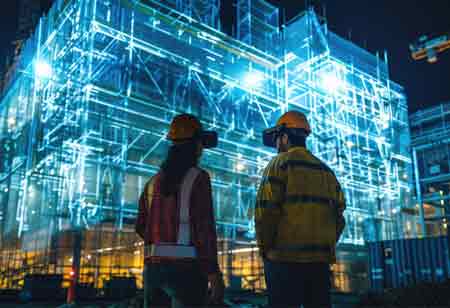
Industrial cooling systems play a vital role in manufacturing, logistics, and cold chain operations. Among available technologies, dry ice remains highly valued for its ability to provide intense cooling without leaving liquid residue. As industrial demands increase, manufacturers are advancing dry ice solutions to improve efficiency, reduce waste, and strengthen sustainability. The sector is now defined by smarter production systems, improved reliability, and better energy management to meet the needs of pharmaceuticals, food logistics, and other temperature-sensitive industries.
Autonomous Mobile Robots for On-Demand Material Flow
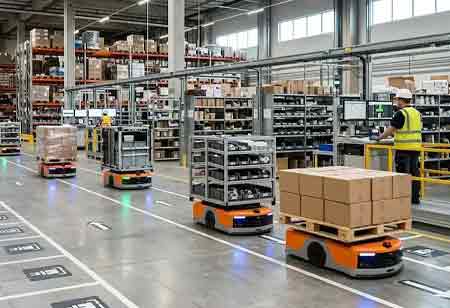
Autonomous mobile robots have shifted from experimental deployments to practical tools inside manufacturing plants, healthcare facilities and complex work environments. Yet many automation initiatives stall before they deliver value. Systems arrive with steep acquisition costs, extended configuration cycles and integration demands that exceed internal resources. Management teams often discover that the technology solves the wrong problem, while the daily friction on the floor remains unchanged.
Data-Driven Decisions: Shaping the Future of Industrial Marketing
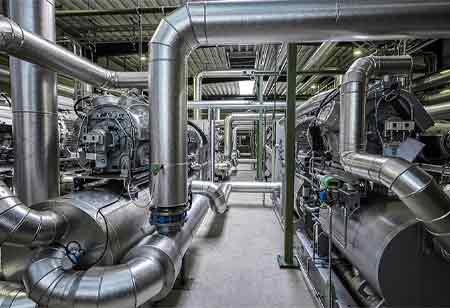
A significant transformation is occurring within the field of industrial and manufacturing marketing, distinct from the consumer-oriented arena characterized by attention-grabbing campaigns. The signals of demand from technical buyers, engineers, and procurement professionals have evolved, becoming increasingly nuanced and sophisticated.
Selecting Hydraulic Repair Partners for Sustained Asset Performance
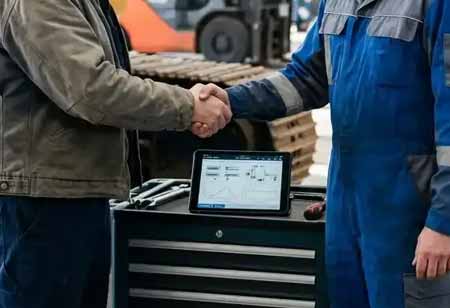
Hydraulic systems remain central to ship propulsion, industrial manufacturing, energy generation and research environments where force, motion and control must perform predictably over decades. Many of these assets were commissioned 20 or 30 years ago. Original equipment manufacturers may have shifted product lines, extended lead times or discontinued support entirely. For executives responsible for maintenance strategy, the question is less about routine service and more about how to preserve mission capability when legacy equipment fails.
The Conveyor Belt as a Catalyst for Industrial Progress
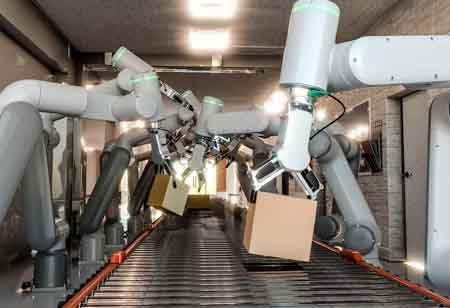
In today's modern industry, where efficiency, precision, and continuous flow are key to success, the role of conveyor belts is not only significant but also paramount. These systems, far from being simple mechanical movers, are the unseen backbone of countless manufacturing operations, silently propelling goods, components, and raw materials through complex production lines. The industry dedicated to their manufacture is an innovative sector, constantly evolving to meet the escalating demands of a diverse global manufacturing.
Designing Power Systems That Hold Under Real Conditions
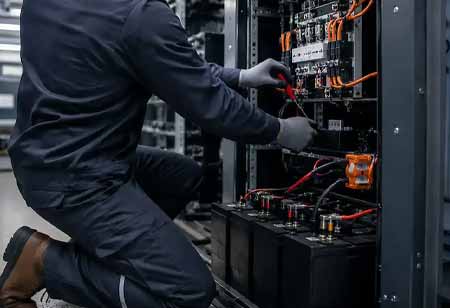
Electrical power engineering design is often evaluated on theoretical performance, yet the true test emerges over decades of use, expansion and unforeseen failure events. Industrial and commercial facilities continue to face a gap between what systems are expected to deliver and how they actually perform under stress. That gap rarely stems from a single design flaw; it is usually the result of fragmented planning, incomplete visibility into infrastructure and delayed alignment between engineering intent and field execution.
Refrigerant Lifecycle Management for Sustainable Manufacturing
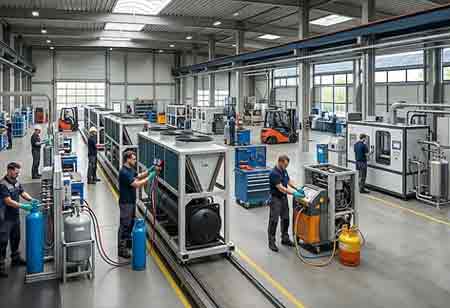
Manufacturers that depend on refrigeration face a difficult transition. Environmental regulation is tightening, supply of traditional hydro-fluorocarbons is declining and the cost of refrigerant management continues to rise. Equipment owners must now manage refrigerants not simply as consumable chemicals but as assets that move through recovery, purification and reuse. The ability to maintain a dependable supply while meeting environmental obligations has become a defining requirement for HVACR operations across manufacturing, logistics and cold storage. Organizations that treat refrigerant recovery as an afterthought often encounter rising disposal fees, compliance exposure and supply shortages during equipment transitions. A disciplined lifecycle approach is becoming essential for long term cost control and supply stability.
Rubber Rollers: Powering Precision and Progress across Industries
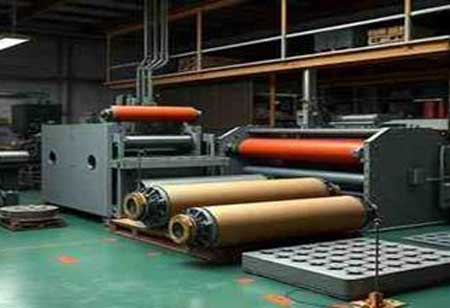
The production of rubber rollers is crucial for numerous industries, as it supplies key components necessary for material handling and processing. These rollers are essential for seamless printing, packaging, and industrial manufacturing operations. Their ability to improve precision and efficiency makes them vital to contemporary production methods.
Engineering Reusable Packaging for Automated Supply Chains
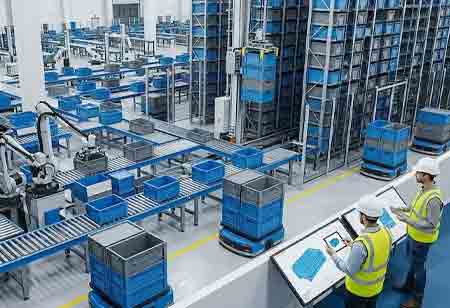
Executives evaluating reusable plastic container manufacturers face a mandate more complex than a simple unit-cost comparison. Industrial supply chains are increasingly automated, globally standardized and measured against strict environmental targets. Containers must function not as passive carriers but as integral components within automated storage and retrieval systems, robotic handling environments and tightly controlled production lines. In this context, performance is judged by system fit, lifecycle economics and long-term reliability rather than price alone.
Adaptation and Innovation in Large-Scale Manufacturing
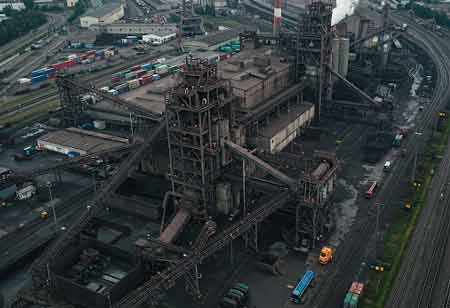
The landscape of industrial large-scale manufacturing is currently characterized by a profound and accelerating transformation, driven by technological innovation, evolving global market dynamics, and an increasing emphasis on sustainability and efficiency. This sector, which forms the backbone of numerous economies by producing vast quantities of standardized goods, is undergoing a significant evolution in its processes, technologies, and strategic priorities.
Sustained Precision in Woven Wire Mesh Partitions
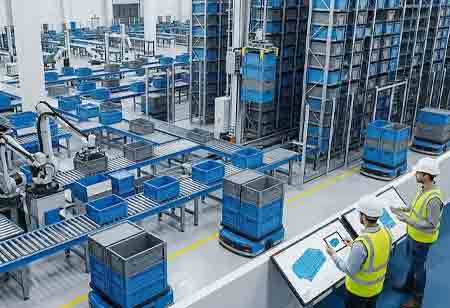
Executives responsible for specifying woven wire mesh partitions face a practical challenge: balancing security, safety and architectural intent without introducing complexity into construction schedules. Warehouses, data centers, manufacturing plants, universities and military facilities require systems that control access and protect people, yet these installations often sit within highly coordinated projects where tolerances, mounting conditions and sequencing matter as much as the panels themselves. Standardized products can address basic enclosure needs, but many environments demand integration with structural frames, façade systems or custom gates that are not available off the shelf.
Advanced Test Equipment Rentals: Bridging Technological Access and Industry Evolution

The rental of advanced testing equipment has emerged as a crucial asset for industries that need access to state-of-the-art technology without the associated ownership costs. Such services allow companies to employ high-quality testing instruments for temporary projects or particular requirements, enhancing operational efficiency and promoting cost savings.
How Industrial Marketers Earn Trust in Complex Buying Cycles

Industrial and manufacturing companies operate in markets shaped by long sales cycles, conservative buying committees and audiences that carry real consequences if a decision goes wrong. Marketing in this environment does not revolve around attention or novelty. It revolves around confidence, credibility and sustained relevance over time. Executives evaluating an industrial and manufacturing marketing partner tend to focus less on creative output and more on whether an agency can help them stay aligned with how buyers actually think, decide and reassess priorities as conditions change.

