
Weekly Brief
Be first to read the latest tech news, Industry Leader's Insights, and CIO interviews of medium and large enterprises exclusively from The Manufacturing Outlook
A featured contribution from Leadership Perspectives: a curated forum reserved for leaders nominated by our subscribers and vetted by our Manufacturing Outlook Advisory Board.

Kymera International
Transforming Advanced Manufacturing through Technology
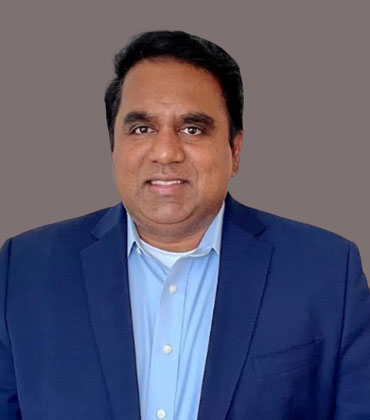
Leo Antony
Strategic Leadership in Advanced Technology
The Vice President of Advanced Technology role is responsible for shaping and driving an organization’s strategy in advanced technology. This includes new material and coating development, successful product launches and strategizing to transform quickly from pilot product to full scale manufacturing/production. Ensuring new technology development aligns with current and future business goals.
Key Responsibilities:
• Strategic Planning and execution: Setting a clear technological vision, driving product innovation, defining roadmaps, and driving transformation from R&D to production within the R&D and Coatings division.
• Team Leadership and Talent Development: Building and mentoring high-performing teams; cultivating a culture of learning, experimentation, collaboration and technological excellence.
• Project and Budget Oversight: Managing and executing large-scale technology initiatives, allocating resources, pitching and procuring investment in advanced technologies to maximize returns and performance.
Areas of Focus:
• R&D Strategy and Execution: Direct the research pipeline for developing new materials and coating solutions – all while ensuring alignment with the organizational goals. Fostering continuous improvement and adopting new tech trends.
• Technical Roadmapping: Shape and communicate the vision for technological advancement and growth in New Product Development – Advanced Materials and Coating Solutions, guiding funding and investments and resource allocation for maximum business impact.
• Quality, Compliance, and Intellectual Property: Ensure innovations meet regulatory standards, quality requirements, and protect the organization’s IP.
• Business Growth: Identify and leverage technological opportunities to drive growth, competitive differentiation, and industry leadership.
“Environmental responsibility is more than compliance—it’s a strategic opportunity and a driver of competitive advantage.”
Frameworks for Successful Commercialization of Technology
A framework that combines a structured stage-gate approach, early integration of cross-disciplinary teams, process modeling or iterations, automation, and optimization and robust technology transfer/joint agreement (if needed) -- technical hand-offs, scaling down manufacturing risks and pilot production, customer-supported strategic product validation, regulatory and quality system alignment is the key to achieving successful scale-up in advanced materials and thermal spray companies.
Balancing Performance and Sustainability in Manufacturing
Alignment to environmental regulations and customer demands early on, integrating sustainable operations into innovation and subsequent manufacturing, establishing environmental metrics, and accountability, quality-efficient methods to reduce the cost of poor quality/waste (COPQ), promote closed loop production where applicable, and engage stakeholders and employees awareness towards the environmental vision. Leaders must view environmental responsibility as more than just compliance, but as a strategic opportunity and a core business driver. Prioritizing environmental and operations excellence can deliver competitive advantage, while contributing to a more sustainable future.
Strategic Approaches to Technology Development
In order to develop or evaluate a technology road map, it is important to consider the following principles: strategic alignment; integration of emerging technologies; stakeholder engagement; data-driven decision; flexibility and adaptation, sustainability and continuous assessment. Applying these principles allows leaders to build a technology roadmap that is visionary, realistic, and resilient – positioning their organization to lead in advanced materials and surface engineering.
Inspiring the Next Wave of Industrial Innovation
Emerging materials scientists and advanced manufacturers who want to lead the next wave in industrial innovation must cultivate technical expertise, embrace digital tools, new technology trends and learning, and hands-on experiences. They should also actively collaborate across disciplines, have a global mind set, strengthen their leadership and communication skills, and embrace digital learning.
The articles from these contributors are based on their personal expertise and viewpoints, and do not necessarily reflect the opinions of their employers or affiliated organizations.
