
Weekly Brief
Be first to read the latest tech news, Industry Leader's Insights, and CIO interviews of medium and large enterprises exclusively from The Manufacturing Outlook
A featured contribution from Leadership Perspectives: a curated forum reserved for leaders nominated by our subscribers and vetted by our Manufacturing Outlook Advisory Board.

Barry Callebaut Group
Advancing Industrial Maintenance With Innovative Technologies
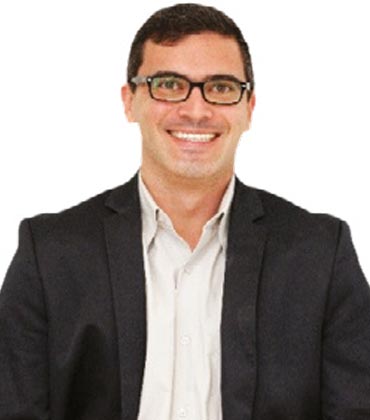
Thiago Jube
Thiago Jubé is a food engineer with extensive knowledge in inventory optimization, cost reduction, process engineering, and maintenance procurement. He specializes in the management of day-to-day factory routines, from the production and reception of raw materials to the delivery of finished products, while applying KPIs for the identification and treatment of problems. Highly skilled in the use of process, planning, and quality management tools like lean manufacturing, CEP, PDCA, MASP, and HACCP, he has led multiple project teams responsible for setting up and expanding manufacturing plants.
In an interview with the editorial team at Manufacturing Outlook, Jubé sheds light on some of the current challenges prevailing in chocolate production and cocoa farming and how organizations are overcoming these challenges to build a better future for the farmers and the industry.
Could you talk about your roles and responsibilities at Barry Callebaut Group?
I am the manager of production and maintenance at Barry Callebaut Group, Addison, Pennsylvania. We are the world’s leading manufacturer of high-quality chocolate and cocoa products, with over 60 production facilities. We run 18 sites in the U.S. alone and also educate chefs and artisans on innovative techniques for chocolate production through our chocolate academies worldwide.
“AI-driven automation technology will play a key role in the future. By leveraging these technologies, factories can implement smart manufacturing processes, which will result in better productivity and cost savings.”
I am responsible for overseeing the day-to-day operations of our production department. It’s a challenging role but also an incredibly rewarding one, as I have the opportunity of witnessing firsthand how our team’s hard work and dedication come together to create some of the world’s finest chocolate.
What are some of the trends and challenges you are witnessing in the chocolate industry?
The market in the U.S. is changing rapidly compared to other countries. The customer base for chocolate and cocoa products is growing fast. To meet the increasing demand, we need to be able to scale our operations. This presents a number of challenges across the supply chain, from cocoa beans to the final product.
What innovative measures have you taken to mitigate these challenges?
We have implemented a 24-month plan to increase production. As a part of it, we are installing new machineries, such as a cocoa press and roasting lines, to ensure our product meets the rising demand for chocolate. We have decided to invest $20 million in a new production line to extend the business within the next two years. I have been working with our engineers in every department to enhance our capacity for manufacturing.
Sustainability is one of our top priorities, and we have made significant changes to our packaging materials to reduce waste. The Barry Callebaut Supplier Code lays out our minimum requirements and expectations toward all our suppliers. We aim to minimize packaging weight without affecting the key functionalities the packaging was designed for, maximize the use of recycled and renewable materials, and replace disposable materials with reusable ones to reduce waste in landfill.
We launched the ‘Forever Chocolate’ initiative in 2016, the next chapter in our long-standing commitment to building a sustainable cocoa and chocolate supply chain. We have revised our 2025 targets, committing to covering our entire supply chain with Human Rights Due Diligence. This includes the continued monitoring and remediation of child labor cases. New goals are also being added for 2030, supporting cocoa farming communities to protect child rights and prevent child labor.
How do you envision the future of the industry?
AI-driven automation technology will play a key role in the future. By leveraging these technologies, factories can implement smart manufacturing processes, which will result in better productivity and cost savings.
The pandemic severely affected our manpower and production capabilities by confining people to their homes. Despite the easing of restrictions, we are still facing a shortage of labor because people are reluctant to return to the factories. The application of technology is an efficient way to overcome this challenge. However, to monitor the automated technology, we will need specialized engineers with programming skills. We are actively looking to recruit people suitable for these positions at Barry Callebaut Group.
What is your sage advice to your peers in the industry?
Hiring the right people is crucial to building a solid team. Employees today seek a pollution and noise-free working environment. This can be a significant challenge, especially in factories that house large machinery. As a leader, it’s your responsibility to take good care of your team because the success of any organization depends on the well-being of its crew.
Finding the right talent is not an easy task and requires a lot of effort. But it is even more difficult to retain existing employees who are skilled and accustomed to your processes.
The articles from these contributors are based on their personal expertise and viewpoints, and do not necessarily reflect the opinions of their employers or affiliated organizations.
