
Weekly Brief
Be first to read the latest tech news, Industry Leader's Insights, and CIO interviews of medium and large enterprises exclusively from The Manufacturing Outlook
A featured contribution from Leadership Perspectives: a curated forum reserved for leaders nominated by our subscribers and vetted by our Manufacturing Outlook Advisory Board.

Alcon
Shaping the Future of Medical Devices through Teamwork and Technology
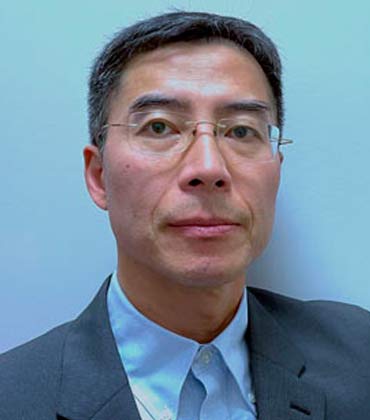
Eric Huang
Eric Huang is Engineering Manager at Alcon, specializing in injection molding and R&D process optimization. With over 20 years of industry experience, he leads initiatives in molding technology, automation, and mentors younger engineers to advance manufacturing excellence
1. With your extensive experience in engineering management, how has your professional background influenced your approach to driving innovation in medical device development at Alcon?
There’s an old Chinese saying that, when translated, might go something like: ‘Three engineers together can equal one Steve Jobs.’ It’s a reminder that while we may be ordinary as individuals, together we can create extraordinary things.
I’ve seen this especially true at Alcon, where we work on complex, multidisciplinary projects. When hundreds of people contribute — even if each person only makes a small improvement — those incremental gains build on each other. The result is a breakthrough product that none of us could have developed alone.
As an engineering manager, I’ve learned that fostering this kind of collaborative innovation is essential. It’s not about being the lone genius; it’s about creating the environment where great ideas can flow, align, and turn into real-world medical solutions. It’s an amazing process to be part of.
2. As Engineering Manager at Alcon, what are some of the biggest challenges you face in managing engineering projects and product development? What strategies or technologies have proven most effective in overcoming these challenges?
One of the biggest challenges in managing engineering projects— especially in the medical device industry—is translating a solid design into a manufacturable product. Early in one project, we selected a renowned mold maker based on their reputation. However, the final result fell short of expectations, highlighting how critical vendor selection is in this space.
In medical devices, choosing the wrong tooling partner can jeopardize the entire project. After this experience, I developed a comprehensive, data-driven framework to evaluate mold makers. It includes 88 specific criteria— ranging from technical capability and quality systems to leadership vision and past performance. Each shop receives a total score, and I refer to this as the “World Best Mold Maker Ranking.”
This structured approach will significantly improve our vendor selection process and reduce risks related to cost, quality, and timeline uncertainty. It’s a key part of how to de-risk product development.
3. How are you leveraging advanced engineering technologies, such as automation or AI, to enhance product performance and quality?
Automation is part of the process we are using daily. Without automation, we cannot achieve what we have done so far.
“Success in innovation depends not only on tools and systems but on empowered, motivated teams driving progress forward.”
While AI is just started to show its power. Initial testing as I asked for troubleshooting on our LSR molding issue, I got half wrong answers. But recently I asked about the plastic materials that could be the best for our products, I am impressed on the answers. It showed great potential to help us in determine the materials. It saved lots of time for us to exam each different plastics and quickly narrowed down a few best candidates.
4. Regulatory compliance and product safety are top priorities in the MedTech industry today. How is your team addressing these priorities while meeting evolving consumer and regulatory expectations?
To meet the increasing demands of regulatory compliance and product safety, we’ve recently expanded our team to enable deeper, data-driven analysis of our manufacturing processes.
Take our eight-cavity tool, for example—some degree of variation is inevitable in multi-cavity molding. But ensuring every single part meets our R&D specifications is critical, especially when preparing products for clinical trials. That level of precision requires not just expertise, but a willingness to invest significantly in quality assurance and process optimization.
We simply don’t allow defects into the clinical environment. That’s a line we do not cross.
Beyond meeting regulatory standards, we’re committed to ongoing refinement. We continuously evaluate our tooling, materials, and manufacturing processes to identify areas for improvement. Our goal isn’t just to produce a compliant product—it’s to produce the most consistent, reliable, and safe solution possible.
5. Looking ahead, what emerging trends or technologies do you believe will most significantly impact the future of medical devices? What advice would you offer to fellow leaders seeking to innovate and adapt in this rapidly evolving field?
Emerging technologies like Artificial Intelligence (AI) will significantly shape the future of medical devices. AI can revolutionize how we select materials by optimizing choices based on data, eliminating much of the guesswork and trial-and-error approach. It also enhances data analysis, uncovering patterns and relationships that may be overlooked through traditional methods. Furthermore, AI can automate repetitive documentation tasks, freeing up valuable time for teams to focus on innovation and problem-solving.
My advice to fellow leaders is this: while embracing technology is critical, never forget that people are the most valuable asset. Success in innovation depends not only on tools and systems but on empowered, motivated teams driving progress forward.
6. If there are any additional insights, innovative projects, or leadership philosophies you’d like us to include to enrich your profile, please feel free to share.
I would advocate for young generation, provide more opportunities to them. It is our responsibility to allocate positions for new graduates. Give them time to grow and in return, we will have a more organic team.
The articles from these contributors are based on their personal expertise and viewpoints, and do not necessarily reflect the opinions of their employers or affiliated organizations.
