



 Cory Bridges, President
The existing ‘take-make-waste’ linear economy no longer cuts it. Adopting a zero-waste circular economy has become the need of the hour.
Lean Textiles & Plastics is one step closer to making this a reality.
Through commercial and post-industrial recycling solutions, the textile and plastic recycling company offers a unique model that turns waste that would have ended up in landfills into valuable resources. A combined 40 years of experience in landfill conversion through manufacturing, engineering, and fiber reprocessing makes it a strategic partner for businesses that want to reduce landfill expenses and develop green initiatives for sustainable revenue.

“Reliability and key market knowledge are what we bring to the table to help businesses improve their green footprint and attain environmental goals and objectives,” states Cory Bridges, president of Lean Textiles & Plastics.
Comprehensive Waste Management
Improper waste disposal increases methane emissions from landfills, adversely affect the environment and human health.
Lean Textiles & Plastics brings an end to this by making the most out of waste streams. It identifies waste with potential for reuse applications and diverts millions of pounds away from landfills, which are the third-largest source of human-related methane emissions in the U.S. By significantly reducing methane pollution, it also eliminates various health hazards, including water supply contamination.
Lean Textiles & Plastics is an experienced provider to the automotive industry, which employs strong initiatives to reintroduce recycled waste into the manufacturing process. It ensures the most efficient supply chain to implement a long-term sustainable recycling model that brings them one step closer to their dream of becoming landfill-free.
In addition to collecting waste from clients, Lean Textiles & Plastics purchases waste from suppliers, paying a fair price based on the market. This allows it to recycle more waste and reduce the amount of items ending up in landfills.
All-in-One Waste Handling = Simplicity and Cost-Effectiveness
Waste management is expensive. Whether it’s container, collection, transfer, or landfill tipping costs, waste removal expenses are a tremendous burden on the bottom line of businesses.
A combined 40 years of experience in landfill conversion through manufacturing, engineering, and fiber reprocessing makes it a strategic partner for businesses that want to reduce landfill expenses and develop green initiatives for sustainable revenue
Through its waste management consulting services, Lean Textiles & Plastics provides in-depth knowledge of the domain for businesses that like to handle all processes in-house. It throws light on the different aspects of recycling that can be leveraged to scale various businesses. Partnering with it ensures an efficient team to oversee the entire process, rather than an individual whose expertise is focused on one area.
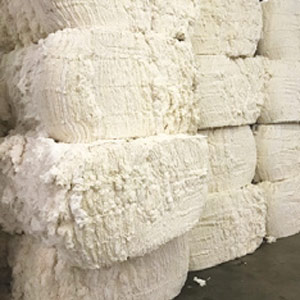

Waste management becomes easier and more efficient with the capacity to handle and recycle different polymers, including natural and synthetic fibers. Lean Textiles & Plastics is adept at this. Identifying the waste being discarded is the first step in providing suitable services. Thorough knowledge of processes allows it to implement best practices to prepare the waste for recycling. It also provides on-site waste management programs for clients under the supervision of a competent professional.
Plastic components and other mixed rigid parts are processed through toll grinding, which is a highly efficient and cost-effective way to process waste materials. Clients can outsource their grinding and milling needs to Lean Textiles & Plastics, saving time and resources on equipment maintenance and staff training.
Transportation for waste collection, treatment, and disposal is another major expense businesses incur. In-house transportation services from Lean Textiles & Plastics eliminate the need to depend on 3PL logistics providers. It currently has eight trucks and over 200 trailers to effectively service clients. Its dump trailers can replace open-top dumpsters for waste collection. Once the trailers are filled, Lean Textiles & Plastics picks them up and drops off an empty trailer to continue the process without disruption. This ensures a continuous and faster collection, treatment, and disposal of waste, which reaps significant profits for businesses.
Turning Waste into Wealth with Sustainable Products
Recycled waste finds new forms and purposes with Lean Textiles & Plastics.
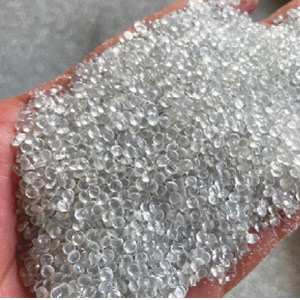
These waste materials can also be converted into a form most suitable for reprocessing and remelting into pellets, which creates the highest value.
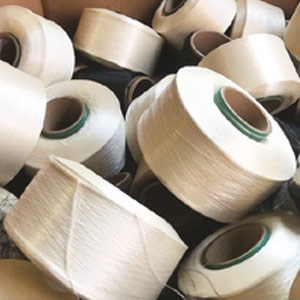
Lean Textiles & Plastics is at the forefront of waste-to-energy conversion, where the generation of green fuel serves as a landfill alternative and promises a cleaner future for the environment.
Reuse, Reduce, and Reintroduce
Lean Textiles & Plastics has shown many businesses that reintroducing waste into the production cycle is the key to sustainable growth instead of disposing products presumed to be at the end of their life. A case in point is an injection molding company looking for ways to recycle their scrap back into operations, rather than using virgin resin.
-
Lean Textiles & Plastics is at the forefront of waste-to-energy conversion, where the generation of green fuel serves as a landfill alternative and promises a cleaner future for the environment
Braving the New World with Recycled Raw Materials
The COVID-19 pandemic caused major disruptions across industries with supply chain disruptions, making it difficult for businesses to source raw materials. This situation put Lean Textiles & Plastics in the limelight for its recycled materials. It resulted in increased production and growth for the industrial sector, despite the global shutdown.
Since its inception, Lean Textiles & Plastics has been witnessing tremendous results by doubling sales year after year. It aspires to expand its manufacturing sites, capacity, and trucking division to provide better services to customers while continuing to create more environmentally responsible companies.
The circular economy is no longer a dream with Lean Textiles & Plastics’ zero-waste future on the horizon.
