




Overcoming these hurdles requires investment in advanced material science, collaboration with industry leaders, sustainable design practices, and consumer education.

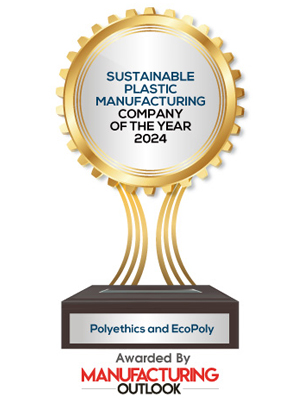
Polyethics and EcoPoly are at the forefront of addressing some of the most pressing challenges in the plastic manufacturing industry. Their commitment to sustainability is evident through their multifaceted approach, which includes regulatory compliance, consumer demand satisfaction, and technical innovation.
“We prioritize staying ahead of regulatory changes, ensuring that our products consistently meet or exceed industry standards,” says Kristan Rynard, EcoPoly’s chief sales officer.
Maintaining a proactive stance on compliance, they adhere to existing regulations and anticipate future requirements. This forward-thinking approach allows them to provide safe, reliable, and environmentally responsible products. Their dedication to regulatory compliance positions them as trusted leaders in the industry, fostering confidence among consumers and stakeholders alike.
Reducing Plastic Waste
“We are committed to reducing plastic waste through cutting-edge technologies, sustainable materials, and a holistic approach to environmental responsibility,” says Rynard.

Recognizing the growing consumer demand for sustainable products, Polyethics and EcoPoly focus on innovation to create solutions that are both eco-friendly and appealing to the market. They understand that sustainability alone is insufficient; products must meet consumers’ functional and aesthetic expectations.
Developing sustainable plastics that do not compromise on quality or performance drives market adoption and supports the shift toward greener alternatives. Their efforts to align product development with consumer preferences ensure they remain competitive and relevant in a rapidly evolving market.
Polyethics and EcoPoly’s success stems from their commitment to technical innovation. They invest heavily in research and development to enhance their products’ performance and environmental impact. This investment enables them to pioneer new materials and processes that reduce the ecological footprint of plastic manufacturing. By continually pushing the boundaries of what is possible, they create sustainable plastics that set new benchmarks for the industry.
Giving Consumers More Sustainable Options
Polyethics and EcoPoly create degradable plastics made from recycled materials that help prevent plastic pollution by giving consumers more sustainable options. When exposed to environmental conditions, their products break down more rapidly than traditional plastics. This helps prevent long-term pollution and keeps plastic out of landfills.
Polyethics and EcoPoly also use recycled materials and bio-based polymers to create products with a lower environmental footprint from the outset. Their commitment to sustainability includes the end product and the entire manufacturing process, ensuring minimal waste and energy usage.
For example, a primary food service provider aimed to enhance sustainability, minimize waste, and promote a circular economy. Polyethics partnered with the provider to develop a closed-loop system. They supplied degradable can liners made from 100 percent recycled materials, meeting performance needs while significantly reducing environmental impact. They implemented a backhaul program, collecting used flexible plastic packaging during regular deliveries, minimizing operational disruption.
Maintaining the Highest Standards of Sustainability
Polyethics and EcoPoly are not only pioneers in the production of sustainable plastics but also champions in educating and empowering their clients and the broader community on best sustainability practices. They promote a comprehensive understanding and implementation of sustainable practices by conducting workshops, providing invaluable resources, and actively engaging in industry forums.

A cornerstone of their strategy is collaboration with leading universities and research institutions. These partnerships keep Polyethics and EcoPoly at the forefront of sustainable material science, allowing them to innovate and enhance their product offerings continually. Ensuring their products meet the highest sustainability and performance standards, they reaffirm their commitment to excellence and environmental responsibility.
We are commitment to reducing plastic waste through cutting-edge technologies, sustainable materials, and a holistic approach to environmental responsibility
Polyethics and EcoPoly’s dedication extends beyond their immediate operations, deeply embedding into various community and environmental initiatives. They sponsor local events, support educational programs, and partner with NGOs to bolster ecological awareness. Their commitment to sustainability is all-encompassing, making a tangible difference in the communities they serve.
Sustainability in their supply chain is another critical focus. Polyethics and EcoPoly rigorously vet suppliers, utilize eco-friendly materials and implement energy-efficient manufacturing processes to ensure their supply chain mirrors the sustainability of their products. This holistic approach provides a seamless integration of sustainability from raw material sourcing to product delivery.

Recognizing that employees are their greatest asset, Polyethics and EcoPoly invest heavily in their team’s continuous development. Through comprehensive training programs, fostering innovative thinking, and leadership development, they ensure their team possesses the skills and knowledge necessary to drive the company’s mission forward. This investment in human capital benefits the company and contributes to its employees’ personal and professional growth.
At the heart of Polyethics and EcoPoly’s innovation is a strong emphasis on understanding and addressing the unique needs of their customers. Their customer-centric approach propels their innovation, enabling them to develop tailored solutions that meet and often exceed their clients’ sustainability goals. This focus on client satisfaction ensures that their solutions are practical, relevant, and aligned with the highest sustainability standards.
